New York City Guarantees Rent for Shelter Residents to Spur Affordable Housing Construction
A two-year-old city program promises nonprofit developers a steady stream of voucher-holding tenants, making it easier to finance buildings that move long-term shelter residents into permanent homes.
By Jacob Leary ·
New York City is testing a new approach to getting long-term shelter residents into permanent housing: promising developers that most of the tenants' rent will be paid for years to come.
Under the Affordable Housing Service program, the city contracts with nonprofit developers and sends them tenants who hold CityFHEPS rental assistance vouchers. Voucher recipients put roughly 30% of their income toward rent, and the city pays the balance. The guaranteed monthly payments give lenders enough confidence to finance projects, so nonprofits can buy or lease buildings they might otherwise be unable to afford. The arrangement works much like showing a bank you can cover a mortgage, except that the proof of income is a city-funded rent stream.
Officials say the model is aimed at nonprofits that want to enter affordable housing and at developers with stalled projects that cannot get low-income housing tax credits. Those credits, which are controlled by the federal government and limited in supply, are the main way affordable housing is built in the city.
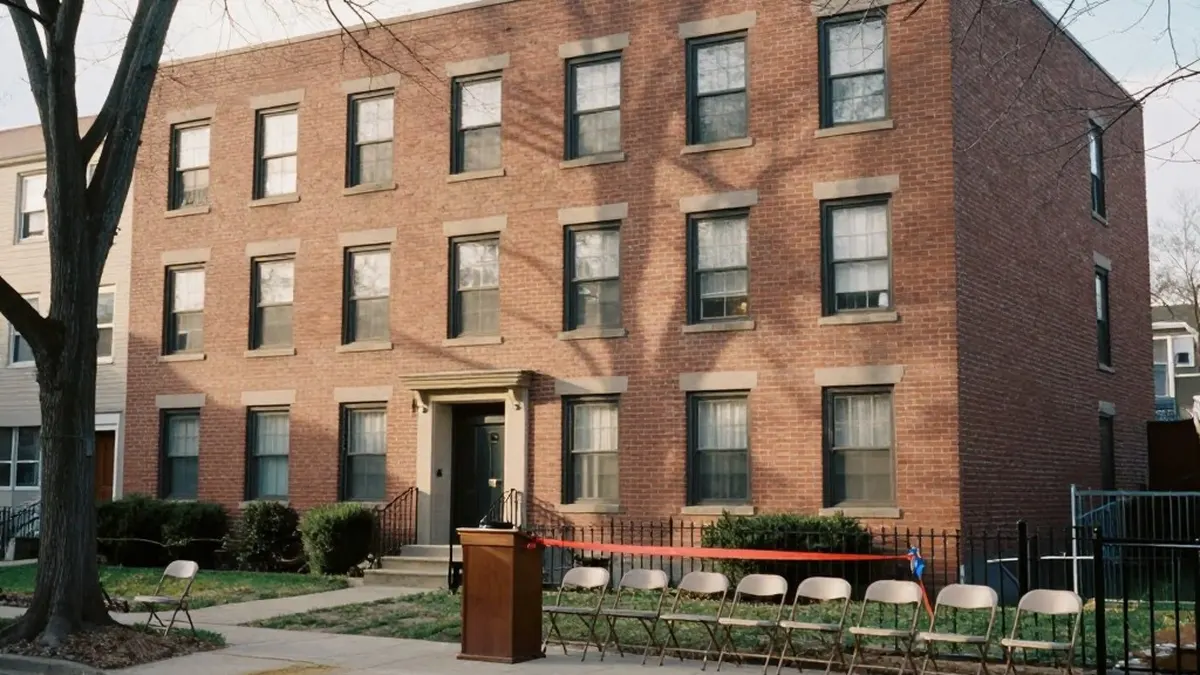
The program's newest site, a 64-unit building in the Wakefield neighborhood of the Bronx, was celebrated at an opening last week. It is the seventh location since the program began two years ago and brings the total to 461 apartments. Leased buildings will be reserved for voucher-holders for nine years, while owned buildings will stay affordable for 30 years. Social Services Commissioner Molly Wasow Park, who runs the program, said that when a tenant moves on, the unit goes to another person leaving the shelter system rather than to anyone on the open market.
Developers describe the approach as groundbreaking. "It really is cutting edge," said David Schwartz, cofounder and principal of Slate Property Group, who said he knows of no other city doing the same. He called it a supply-side solution and said the city must "make the pie bigger." Slate is building at the former JFK Hilton Hotel site in South Jamaica, Queens, where 192 units will go to voucher-holders. The nonprofit RiseBoro will own and manage the building, which is due to open later this year. The city says more than 500 additional units are planned in Manhattan, Queens and Brooklyn.
The program gives priority to families and individuals who have spent more than two years in shelter, as well as families at risk of long stays. Chanda James-Govan, 46, spent six months in a shelter with her 18-year-old son, who has autism, before moving into the Wakefield building with her voucher. She described the relief of locking her own door, saying a "weight" was lifted and that she felt "peace again, and windows again."
The need is considerable. About 52,000 households across the five boroughs use vouchers, but another 11,000 families hold them and remain in shelter because they cannot find housing or landlords willing to accept them. The citywide vacancy rate is 1.4%, and lower still for apartments under $1,100 a month. Park said open-market viewings can draw 20, 30 or 40 competing applicants, which makes things especially hard for people experiencing homelessness. Mayor's Management Report data show adult families stay in shelter about a year and four months on average, while single adults and families with children stay roughly a year. Comptroller's office data indicate that average monthly shelter exits, most of them with CityFHEPS vouchers, have risen this year.
The city also pays participating nonprofits to help tenants apply for food stamps or cash assistance so they can stay housed and avoid returning to shelter. Ron Abad, CEO of Community Housing Innovations, which manages James-Govan's building, said shelter is temporary and that having one's own bed and kitchen is critical. Adolfo Abreu of the grassroots group VOCAL-NY said better connecting homeless people to deeply affordable housing helps those who need support, and that a balanced approach could house more people.
Source: Gothamist